
Methods that actually stop procrastination
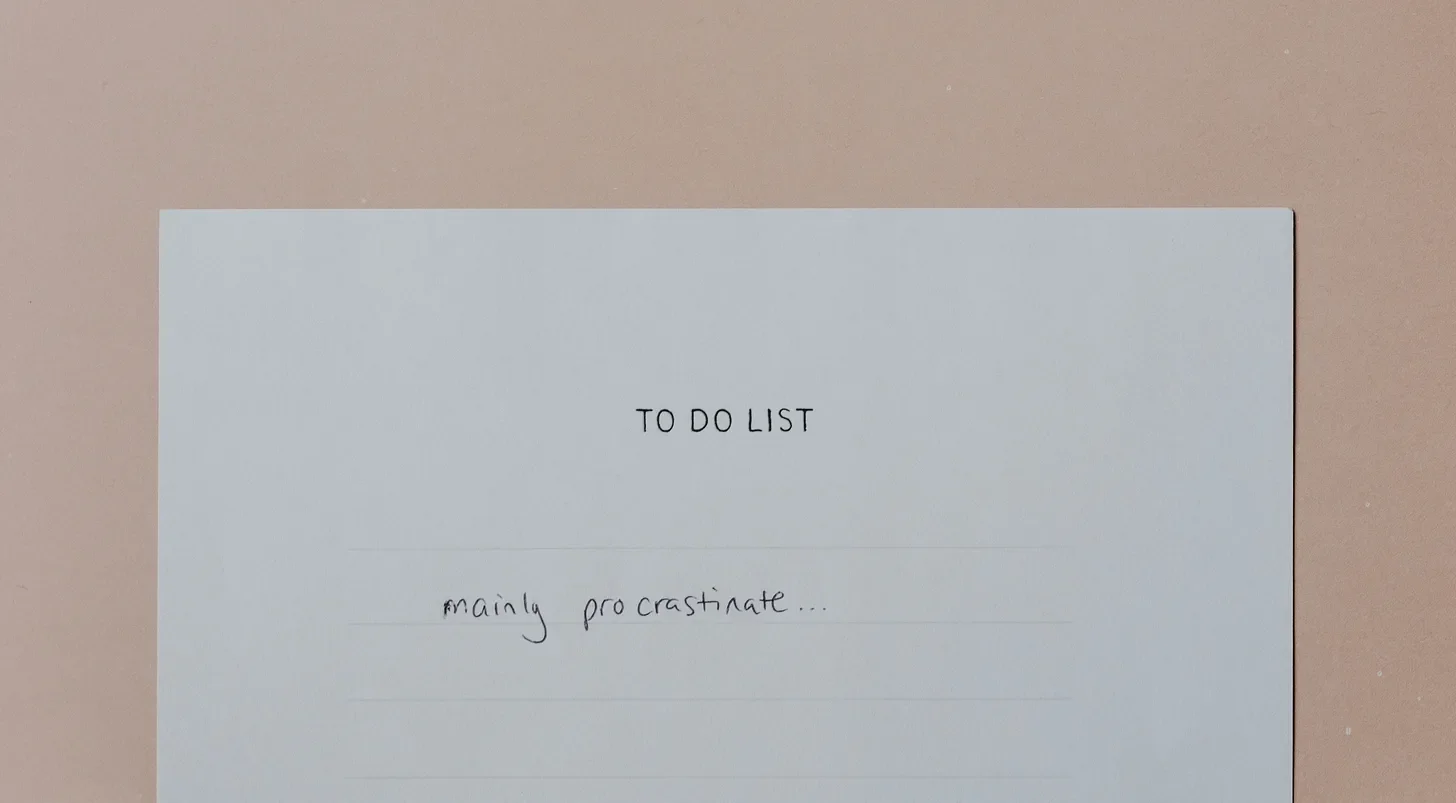
I procrastinate for the same reason everyone does. The discomfort of starting feels bigger than the reward of finishing. Research calls this present bias. The present moment always feels heavier than the future.
But I have come a long way in reducing procrastination. But It’s not by accident. Over many years I have studied the science of self regulation and tested these ideas in my own life through daily practical implementation. And now, finally, I can say that I have genuinely moved forward.
What changed my behavior was not learning why I procrastinate. It was learning how to make the barrier to action so low that my brain stops treating work as a threat.
Below are the methods I use every week, all of them backed by research, all of them simple enough to apply instantly.
1. Reduce the task until it feels uncomfortably small
When a task is vague, the brain interprets it as danger. But when the task is tiny, the brain interprets it as doable. Research on micro actions and implementation intentions shows that small, and specific, starts dramatically increase follow through.
So I always try to shrink tasks until they almost feel ridiculous (this one is hard):
Not “Write a Substack post”, but “Open the document and write one sentence”.
Not “Plan the quarter”, but “Write down one question I need answered”.
Action reshapes emotion. Once I move the resistance dissolves.
2. Lower the internal stakes
High stakes create an identity threat. When something matters to who you believe you are, avoidance becomes a form of protection. The brain wants to protect us from those threats.
So what I try to do is deliberately lower the stakes. I remind myself that the first version can be terrible. That this draft says nothing about my ability or my worth. This shift moves me into a mastery orientation instead of a performance orientation, which research consistently links to reduced avoidance and more consistent effort.
3. Separate thinking from execution
Planning and doing activate different cognitive modes. When I mix them the friction increases. Studies show that task switching between ideation and execution raises perceived effort and drains willpower.
Nowadays I plan at night when pressure is low. I execute in the morning when energy is high. The next day I already know what “start” means. That creates zero ambiguity and zero negotiation.
4. Use friction intentionally
Adding friction to distractions is one of the simplest behavior design strategies. And it really works.
Putting the phone in another room.
Blocking the browser for the first hour.
Using only one active tab.
All of these are examples of designing the environment to add friction to the behaviors you want to reduce. When the easiest option becomes the right option discipline becomes irrelevant.
5. Set emotional expectations
Expecting a task to feel good is one of the main triggers for avoidance. Now I mentally prepare for the first two minutes to feel uncomfortable. This turns the discomfort into a signal rather than a stop sign.
Research in acceptance based emotion regulation shows that when people accept uncomfortable sensations they are significantly more likely to start and continue meaningful work.
6. Create visible progress
Progress is a reward signal. Visible progress is a stronger one. Behavioral science calls this the progress principle. When you can see movement and progress your brain generates motivation instead of waiting for it.
I try to track only what I can see:
Words written.
Minutes invested.
Tasks started.
Small chunks, visible growth and consistent motion.
Conclusion
Procrastination does not disappear. It shrinks when you make tasks safe to start. Lower the ambiguity. Lower the stakes. Lower the friction. Lower the emotional cost.
Every method above has one purpose. Make the first step so small, so clear and so low cost that your brain cannot justify waiting.
Once you move, you win.
Thank you for reading.
Stay curious, stay consistent.
/Behavitory