
Articles
Long‑form essays on behavior, habits, evidence and real‑world applications. Free to read.
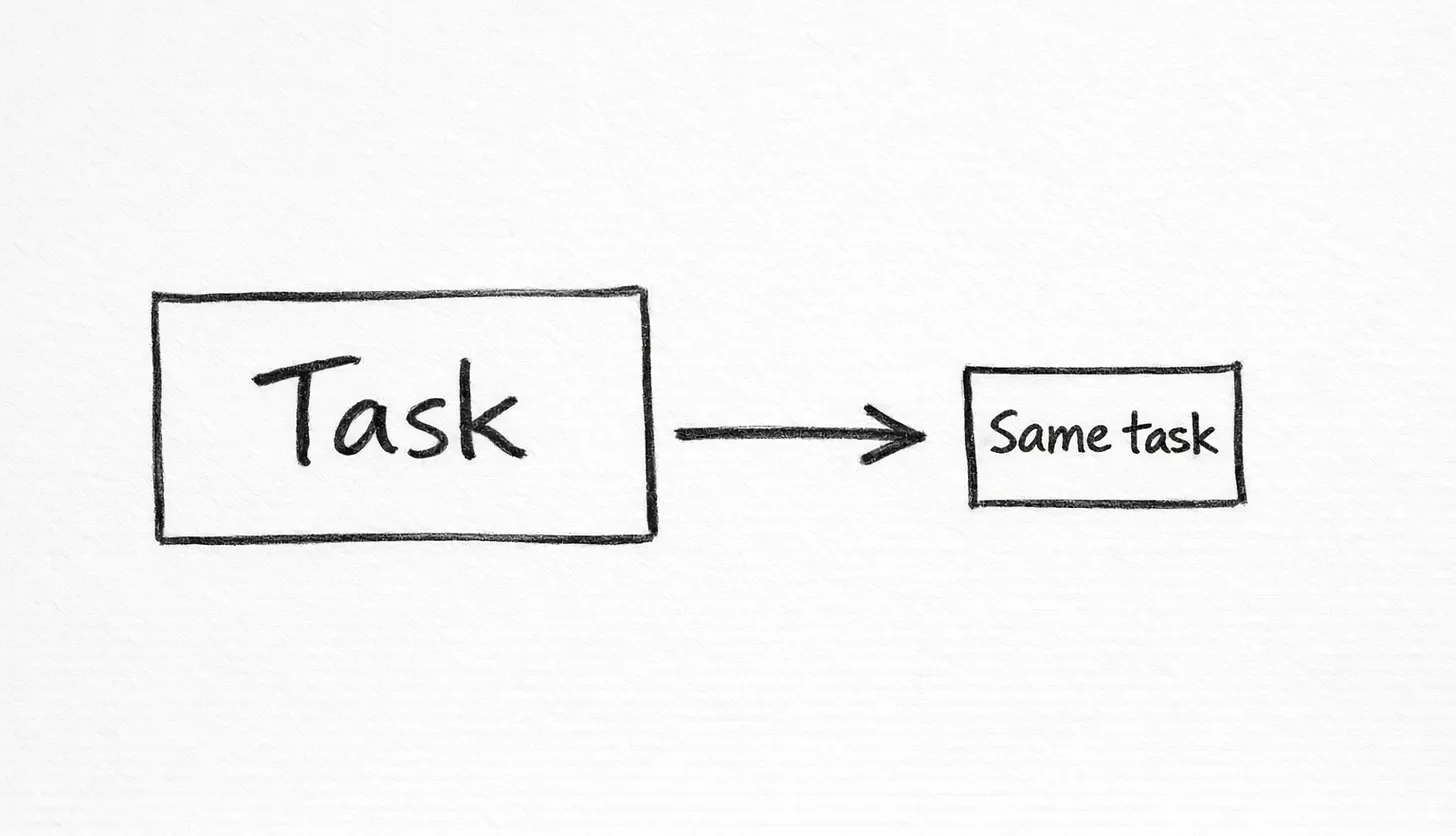
Parkinson’s Law: Why tasks grow when time expands
I have always been fascinated by the invisible forces that shape how we work. Not the loud ones, like motivation or ambition. The quiet ones, like constraints, friction and the shape of the container around a task. This text is about how Parkinson’s Law actually works, what research supports and why constraints might matter more for human behavior than most of us want to admit.
Methods that actually stop procrastination
Below are the methods I use every week, all of them backed by research, all of them simple enough to apply instantly.

Mobile internet was blocked for two weeks. Here’s what happened.
Like most people, I use my phone all the time. For work, messages, information and distraction, if I’m honest. And like many others, I’ve had the vague feeling that my attention is not quite what it used to be. That focus fractures more easily. That stillness has become harder to access. So when I came across a recent study that didn’t ask people to quit their phones, but simply removed mobile internet access, it got my attention.
The study addressed the question “What actually happens when smartphones stop being constantly online?”. Here is my review of the study.
Forget the 21‑day rule: Here’s what the evidence says it takes to form a habit
For many years, the idea that habits form in just 21 days has shaped how people approach personal change. It’s simple, memorable and endlessly repeated. But when researchers recently examined how habits actually develop, the timeline looked nothing like the popular myth.